

What is Hair Replacement?
Hair replacement refers to a range of solutions designed to restore or simulate natural hair for men experiencing hair loss. Over time, these options have evolved from basic wigs to sophisticated systems that deliver realistic, long-lasting results.
Today’s hair replacement options cater to various needs, offering everything from surgical procedures like hair transplants to advanced non-surgical methods. Finding the right solution is essential for achieving natural-looking hair that boosts confidence while fitting seamlessly into your lifestyle.
EVOLUTION OF HAIR REPLACEMENT TECHNOLOGY
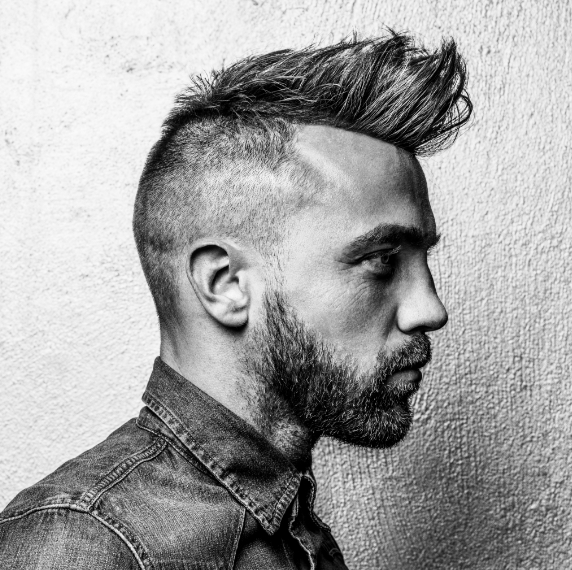
Hair replacement technology has seen remarkable advancements over the years. Early solutions, like traditional wigs, were often bulky and unnatural. However, modern innovations have revolutionized the industry, offering men undetectable, comfortable alternatives.
Today, lace fronts create a seamless and realistic hairline, while polyurethane bases provide a lightweight, flexible fit that moves with you. Hair fibers have also evolved, with the use of natural human hair or high-quality synthetic options that mimic real hair texture and shine.
These technological leaps ensure that current hair systems offer unparalleled comfort, durability, and an incredibly lifelike appearance. Men can now choose systems that blend seamlessly with their natural hair and allow them to style with ease, making the fear of unnatural-looking hair loss solutions a thing of the past.
Understanding Hair Loss in Men
Hair loss is a common issue that affects millions of men worldwide. Whether it’s due to genetics or other factors, the important thing is recognizing that you have options. This section will briefly outline the key causes of hair loss and help you understand which stage of hair thinning you may be in.

CAUSES OF HAIR LOSS
For many men, the frustration of seeing a receding hairline or thinning crown can be overwhelming. The most common cause is androgenic alopecia, or male pattern baldness. But whether the cause is genetics, stress, or lifestyle, it’s normal to want to feel in control of your appearance again. Other factors that can contribute to hair loss include:
Hormonal Changes: Fluctuations in hormones like testosterone can speed up hair thinning.
Stress: High levels of stress can trigger temporary hair shedding, known as telogen effluvium.
Poor Diet: Deficiencies in nutrients like iron, vitamin D, and protein may lead to weakened hair and increased shedding.
Medical Conditions and Medications: Autoimmune diseases or side effects from medications can also result in hair loss.
By recognizing the root cause of your hair loss, you can better understand your options for treatment.
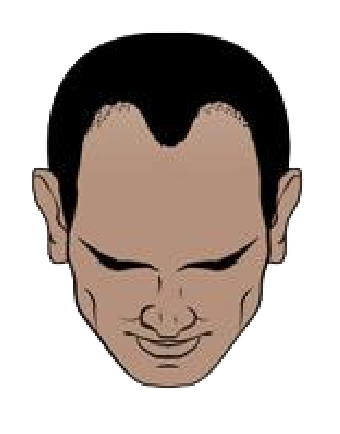
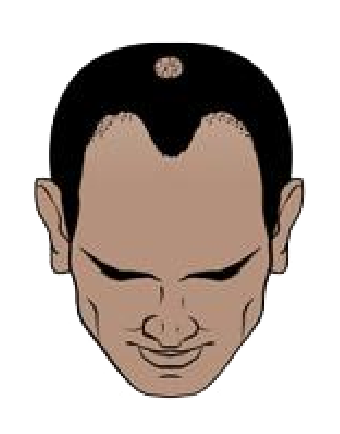
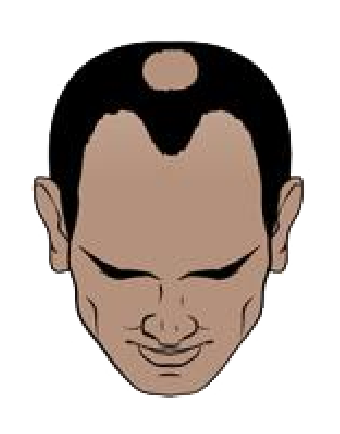
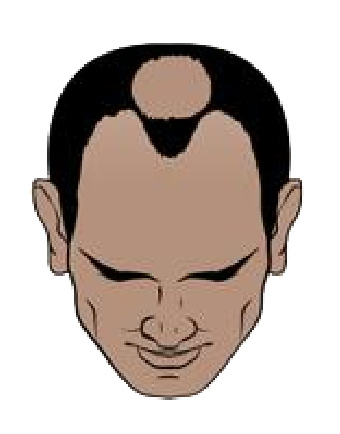
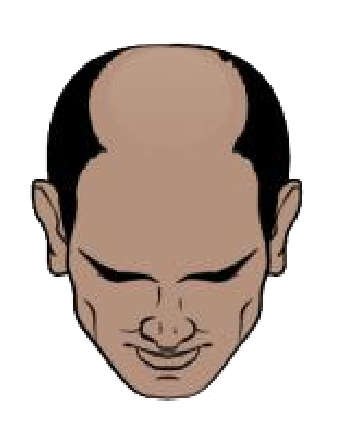
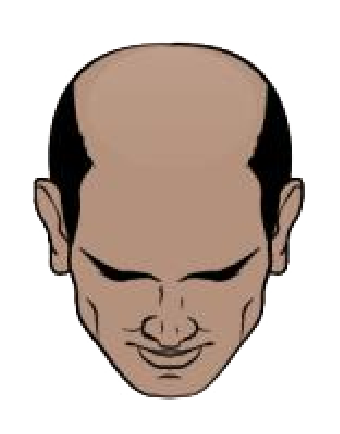
THE 7 STAGES OF THE NORWOOD SCALE
The Norwood Scale helps track the progression of male pattern baldness, from minimal hair loss to more advanced stages. Understanding where you fall on this scale can help you decide on the best hair replacement option.


HAIR LOSS STATISTICS
Hair loss is a widespread issue that impacts men around the world. Globally, about 50% of men will experience some form of hair loss by age 50, with 25% starting to see thinning before age 21. In the United States alone, over 50 million men suffer from male pattern baldness.
On a positive note, more men are turning to hair replacement solutions than ever before, with the non-surgical hair replacement industry growing annually. As awareness and access to advanced solutions increase, many men are finding that hair replacement can help them regain their confidence.
For a deeper look into how hair loss impacts men emotionally, check out our blog, From Despair to Dapper: Hairskeen’s Journey Beyond Hair.
How Hair Loss Affects Self-Esteem
Hair loss doesn’t just affect your appearance—it can have a profound impact on your confidence and sense of self. If you’ve been feeling self-conscious or struggling with your self-esteem due to hair loss, you’re not alone. Millions of men experience similar emotions, grappling with the feeling of losing control over their image. It’s natural to want to look your best, and hair plays a big part in how many men express their identity.

For many men, hair loss goes deeper than just appearance—it’s about how you feel about yourself. You’re not just seeing thinning hair; you might be feeling a loss of confidence, avoiding social gatherings, or constantly adjusting your style to hide problem areas. If this sounds familiar, know that you’re not alone in these feelings, and there are solutions that can help you reclaim your self-esteem and put your best self forward.
Hair replacement isn’t just about restoring your hair—it’s about reclaiming your confidence and expressing your unique style. Whether you’re in your 20s or 50s, hair replacement offers the opportunity to feel like yourself again. Many men have made the decision to pursue hair restoration, and it’s helped them regain not just their hair, but also their self-assurance.
By exploring your options, you’re taking a positive step toward enhancing both your appearance and your self-esteem. Hair replacement can provide that much-needed boost, helping you feel more comfortable and confident in your own skin.
Hair Replacement Options for Men
Hair replacement technology has advanced significantly, offering a variety of methods to combat hair loss. Whether you’re interested in a surgical procedure, non-surgical options, or alternative solutions, understanding the available choices can help you make the best decision for your needs.
SURGICAL HAIR REPLACEMENT
For those seeking a permanent solution to hair loss, surgical hair replacement offers two primary procedures:
Follicular Unit Extraction (FUE)
In an FUE transplant, individual hair follicles are harvested from the back or sides of the scalp and transplanted to thinning or balding areas. This method leaves minimal scarring and typically requires less recovery time than traditional methods. Results often appear natural, and the procedure is less invasive, making it a popular choice.
Follicular Unit Transplantation (FUT)
In FUT, a strip of scalp is surgically removed from the donor area, and individual hair follicles are extracted from this strip. These follicles are then transplanted into the balding areas. FUT leaves a linear scar but may be recommended when a larger number of grafts are needed.
- Recovery Process
Both FUE and FUT procedures involve some recovery time. Patients can typically return to work within a few days, but full healing and hair growth may take several months. It’s important to avoid strenuous activity and follow aftercare instructions carefully to minimize risks such as infection or graft failure. - Success Rates & Risks
Surgical hair replacement boasts success rates as high as 90-95%, but there are risks involved, including scarring, infection, and shock loss (temporary loss of transplanted hair). Consulting with a qualified surgeon is essential for achieving the best results.
NON-SURGICAL HAIR REPLACEMENT
Non-surgical options provide immediate, less invasive solutions:
Hair Systems and Wigs
Modern hair systems are far more advanced than traditional wigs, offering a natural look and feel. These systems use a combination of human or synthetic hair attached to a breathable mesh base, which adheres to the scalp. Hair systems can be customized for hair color, texture, and density.
- Human hair systems are more expensive but offer the most realistic appearance and flexibility in styling.
- Synthetic systems are more affordable and low-maintenance, but they may not blend as seamlessly with natural hair and have limitations when exposed to heat. For more information, check out our blog on the best hair systems.
Laser Therapy
Low-Level Laser Therapy (LLLT) is a non-invasive treatment that stimulates hair follicles to encourage regrowth. While results vary, some men find it effective in slowing hair loss or thickening thinning hair. Laser therapy can be done at home or in a clinic and is often used as a supplement to other treatments.
ALTERNATIVE OPTIONS
Scalp Micropigmentation
Scalp micropigmentation (SMP) is a non-surgical technique that uses tiny, tattoo-like dots to create the illusion of a shaved head. This method is ideal for men who prefer the shaved look but want to cover up balding spots or areas of thinning hair. SMP is a low-maintenance solution that requires touch-ups every few years to maintain its appearance.
Lifestyle Changes
While hair replacement treatments can address hair loss, lifestyle changes can also play a crucial role in slowing the process.
- Diet: Consuming a balanced diet rich in vitamins and minerals, such as biotin, zinc, and omega-3 fatty acids, supports healthy hair growth.
- Stress Management: Stress is a known trigger for hair loss. Incorporating relaxation techniques like meditation, yoga, or exercise can help reduce stress-induced hair thinning over time.
Who is a Good Candidate for Hair Replacement?
Not everyone experiencing hair loss is an ideal candidate for hair replacement, and certain factors play a significant role in determining eligibility. Understanding these factors can help you assess whether hair replacement, whether surgical or non-surgical, is right for you.

FACTORS AFFECTING CANDIDACY
Several elements determine whether a person is a good candidate for hair replacement procedures:

AGE
Age is an important factor when considering hair replacement. Younger men, especially those in their early 20s, may not be ideal candidates for surgical procedures like hair transplants. This is because their hair loss may still be progressing, leading to additional procedures down the line. It’s often better to wait until the hair loss stabilizes.
HEALTH
General health is crucial for anyone considering hair replacement surgery. Conditions like diabetes, hypertension, or autoimmune diseases may affect healing and the success of surgical hair replacement procedures. Additionally, candidates should have realistic expectations regarding the outcome of the surgery.
EXTENT OF HAIR LOSS
The degree and pattern of hair loss are also essential considerations. Men with significant hair thinning but sufficient donor hair (areas of healthy hair, often at the back and sides of the scalp) are typically better candidates for procedures like FUE or FUT hair transplants. However, those with advanced hair loss and minimal donor hair may need to consider non-surgical options such as hair systems or scalp micropigmentation.
ALOPECIA AREATA AND OTHER CONDITIONS
Some hair loss conditions, such as alopecia areata (an autoimmune condition that causes patchy hair loss), may complicate eligibility for certain hair replacement procedures. In cases where hair loss is the result of an underlying medical condition, it’s important to treat the condition first before considering cosmetic solutions.
CONSULTING A CERTIFIED HAIR REPLACEMENT SPECIALIST
When it comes to determining candidacy, consulting with a certified hair replacement specialist is essential. These professionals can assess your individual situation, including the cause and extent of your hair loss, and recommend the most suitable treatment options. Working with an experienced specialist ensures that you receive personalized advice and the most appropriate solution for your hair loss concerns.
Moreover, certified professionals often have access to the latest technologies and techniques, ensuring you get the best possible results. Whether you’re considering a surgical option like a transplant or a non-surgical solution like a hair system, a specialist can guide you through the process and set realistic expectations. For more information, visit Hairskeen’s certified hair replacement specialists to learn why partnering with experts is key to successful hair restoration.
Costs of Hair Replacement Solutions
When considering hair replacement, cost is often a significant factor. The financial commitment required for each solution varies widely depending on whether you opt for a surgical or non-surgical approach. Understanding the cost breakdown for each option can help you make an informed decision that fits both your needs and your budget.

SURGICAL VS NON-SURGICAL COSTS
Surgical Hair Replacement (Hair Transplants): Hair transplant surgeries, such as FUE and FUT, generally come with a higher upfront cost due to the complexity of the procedure and the expertise required. In the United States, the average cost of a hair transplant ranges between $4,637 and $12,513. The price can fluctuate based on factors such as the extent of hair loss, the number of grafts needed, the surgeon’s experience, and the clinic’s location. Cities like New York or Los Angeles tend to have higher costs compared to smaller cities.
Non-Surgical Hair Replacement:
Non-surgical options, such as hair systems (wigs or toupees), are generally more affordable upfront but come with ongoing maintenance costs. The initial cost for a high-quality human hair system ranges from $500 to $1,000, while synthetic hair systems are less expensive, typically falling between $200 and $500. However, regular maintenance, such as cleaning, repairs, and replacements, can add to the long-term cost. Depending on the level of care and maintenance required, non-surgical options may end up costing $1,500 to $2,000 annually. Learn more about hair system costs.
Here’s a table summarizing the costs:
| SOLUTION TYPE | AVERAGE INITIAL COST | MAINTENANCE COST (ANNUALLY) | COST VARIATIONS |
|---|---|---|---|
| FUE Hair Transplant | $9,000 – $16,000 | Minimal | Varies by location, surgeon experience, and number of grafts. Extraction of fewer grafts (about 1,500), costs the same as FUT. |
| FUT Hair Transplant | $9,000 – $16,000 | Minimal | Typically cheaper than FUE, but varies similarly. A technique with more grafts, creating a denser result, often used for women. |
| Human Hair System | $500 – $ 1,000 | $3,500 – $4,500 | Varies by hair quality, customization, and location. |
| Synthetic Hair System | $500 – $1,000 | $3,500 – $4,500 | Lower cost upfront, higher long-term maintenance. Similar to Human Hair Systems. |
| Laser Therapy (LLLT) | – | None | Clinic-based treatments may cost more per session. A treatment using lasers/LEDs on the scalp, not a hair correction method. |
Surgical options have a higher initial cost but are more permanent, while non-surgical hair systems are more affordable upfront but require ongoing investment. It’s important to consider both short-term and long-term costs when choosing the right option for you. For more detailed pricing information, check out our hair system costs blog.
Hairskeen Offers Hair Replacement Options for Every Budget
Investing in a high-quality hair replacement system is a decision that can transform your confidence and style. At Hairskeen, we offer a range of systems starting at $299, designed to meet different needs and budgets without compromising on quality. When you choose Hairskeen, you’re not just paying for a product—you’re investing in a solution that looks natural, lasts longer, and boosts your confidence.
While cheaper options from discount retailers like Temu may seem tempting, they often sacrifice quality for price. These systems are less durable, less natural-looking, and require more frequent replacements. With Hairskeen, you can expect premium craftsmanship, featuring 100% human hair, undetectable front hairlines, and expert customization for a flawless finish.
Flexible Payment Options
To make the investment more accessible, Hairskeen partners with Affirm, allowing you to buy now and pay over time. This gives you the flexibility to get the system you deserve without breaking your budget.
Tips to Maximize Value
A quality hair replacement system is an investment, and proper maintenance can extend its lifespan. Hairskeen’s certified professionals can provide proven tips to help you care for your system and reduce the need for frequent replacements. Additionally, you can explore our Hair System Care Guide for expert tips and tricks.
Hair Replacement Systems and Services
When it comes to choosing the right hair replacement system, Hairskeen offers a range of high-quality, custom solutions tailored to meet the unique needs of every man. From realistic hair systems to professional services, Hairskeen’s products and network of experts ensure you’ll get the look and comfort you desire.
CUSTOM HAIR REPLACEMENT SYSTEMS
Hairskeen’s custom hair systems stand out due to their meticulous design and craftsmanship. These systems feature 100% human hair, except for gray hairs, which are made from high-quality synthetic fibers for durability.
What truly sets Hairskeen apart is the consistency in manufacturing and the use of their proprietary Fashion Hairline technology, which guarantees a completely natural and undetectable front hairline. This level of quality is consistent across orders, thanks to Hairskeen’s close relationship with their production factories, ensuring every system meets the same high standards.
Here are some popular products that can help you achieve your desired look:

HAIRSKEEN MEN’S HAIR SYSTEM – SPORT
Hairskeen Sport Hair System is designed for individuals with an active lifestyle who engage in physical activities and sports regularly. This hair system is made with a lightweight and breathable base, allowing for maximum comfort and airflow during physical activity. The hair is also styled in a way that minimizes movement and maintains its shape, even during high-intensity workouts.
HAIRSKEEN MEN’S HAIR SYSTEM – COMFORT
Hairskeen Comfort Hair System is designed to provide the individual with maximum comfort and a natural look. This hair system is made with a lightweight and breathable base that conforms to the individual’s scalp for a secure and comfortable fit. The hair is also styled to resemble the natural growth pattern of the individual’s hair, ensuring a seamless and natural-looking appearance. This type of hair system is perfect for individuals who have a calmer routine that does not require too much movement and physical activity.

HAIRSKEEN MEN’S HAIR SYSTEM – EXPLORER
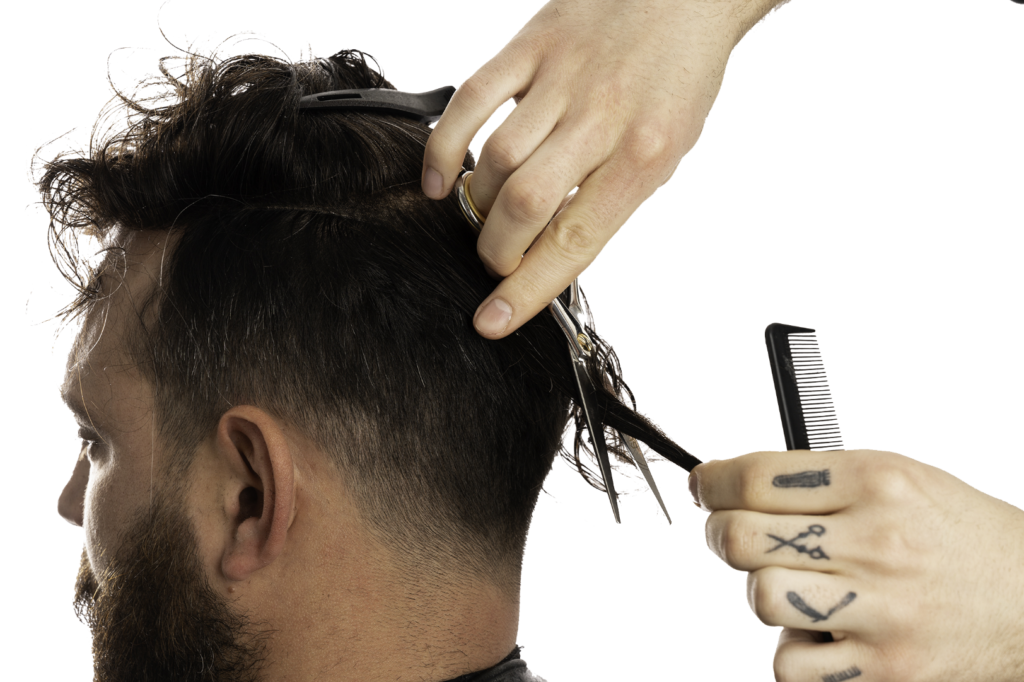
The Hairskeen Explorer Hair System is designed for those seeking durability and a natural look in any situation. Featuring a single and double-layered sonic lace base with reinforced PU lines, it provides a secure fit that lasts all day. The system also boasts a natural, fashion-forward hairline, ensuring a realistic appearance. Built for long-term use, the Explorer system is highly durable and, with proper maintenance, offers extended wear over time.
HAIRSKEEN MEN’S HAIR SYSTEM – Invisible
The Hairskeen Invisible Hair System is crafted for those seeking the most natural and undetectable look. This system features an ultra-thin, transparent base that creates a flawless, invisible hairline, ensuring the hair blends seamlessly with your own. Designed for one-time use, it provides an incredibly realistic appearance for special occasions or short-term wear. Though it doesn’t last as long as other systems, it delivers the most natural, virtually invisible result for those who prioritize realism above all else.
PROFESSIONAL HAIR REPLACEMENT SERVICES
Choosing a hair system is just the first step, getting it fitted, styled, and maintained properly is key to achieving long-lasting results. To assist you with this, Hairskeen has built an extensive network of 350+ certified professionals. Each specialist is highly trained, ensuring you receive expert fitting and maintenance services.
From initial consultations to regular maintenance, Hairskeen’s partner salons offer:

FITTING AND INSTALLATION
Certified stylists ensure your hair system fits securely and blends seamlessly with your natural hair.
STYLING
Tailored cuts and styling to match your preferences and help you achieve the perfect look.
MAINTENANCE SERVICES
Routine cleaning, repairs, and adjustments to keep your hair system looking fresh and in top condition.
Explore the Hairskeen experts in your area for professional services that ensure your hair replacement system remains flawless over time. With the right system and proper care, Hairskeen helps men regain their confidence and style through high-quality hair replacement solutions.
See the Transformations That Changed Lives
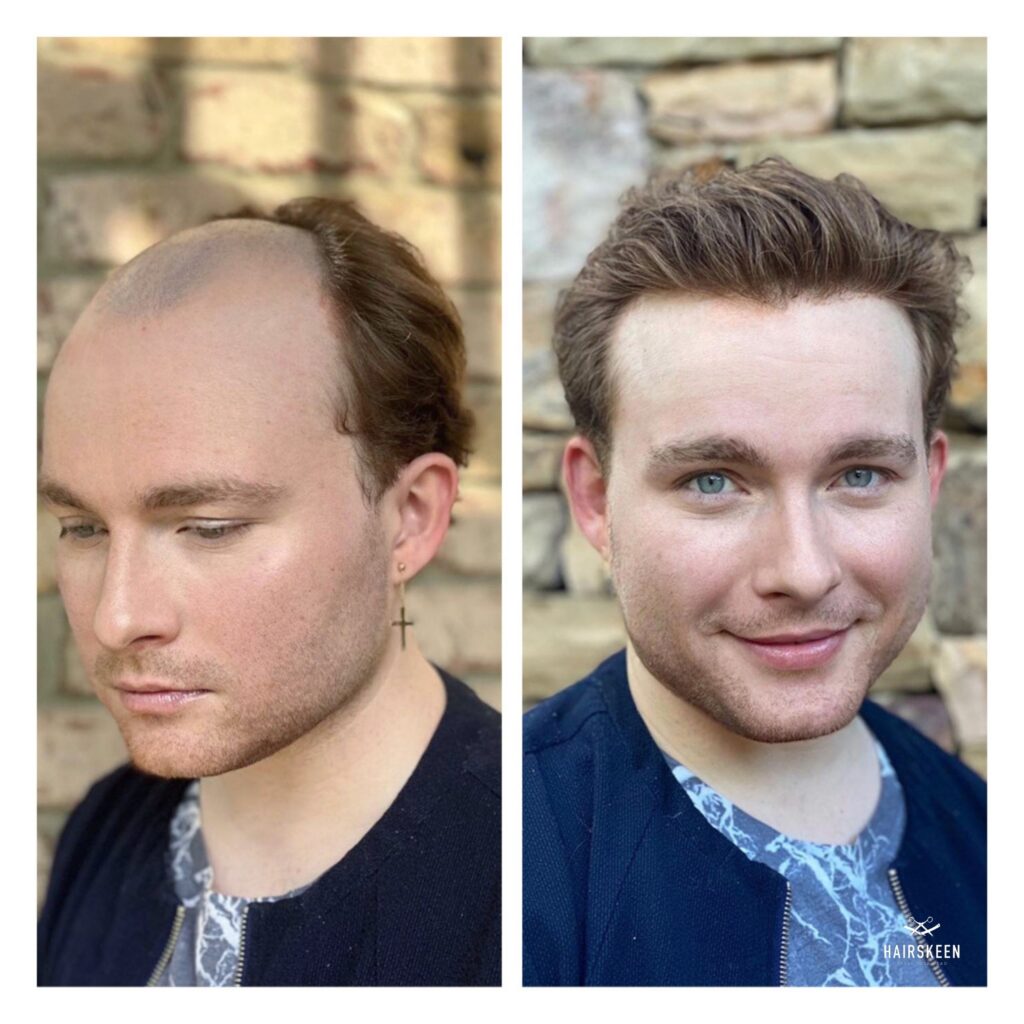
Real men. Real results. Discover how Hairskeen has helped hundreds regain their confidence and style with our premium hair replacement systems.
Success Rates and Long-Term Maintenance
When considering hair replacement, it’s essential to set realistic expectations regarding success rates and the long-term commitment required to maintain the desired results. Non-surgical hair systems, in particular, can deliver immediate transformations, but their longevity and success depend heavily on proper care and follow-up.

MAINTENANCE TIPS FOR NON-SURGICAL OPTIONS
Maintaining the results of non-surgical hair replacement systems requires ongoing attention to lifestyle factors and professional upkeep. Here are some tips to ensure your hair system remains in optimal condition:
LIFESTYLE FACTORS
Your daily habits can have a significant impact on the longevity of your hair system. Activities such as swimming in chlorinated pools, excessive sun exposure, or using harsh hair products can reduce the lifespan of the system. To minimize damage:
- Use UV protection sprays to shield your hair system from sun damage.
- Avoid exposure to high heat when using styling tools or blow dryers.
- Consider water-resistant adhesives if you plan to swim regularly.
FOLLOW-UP TREATMENTS
Routine professional maintenance is critical to extending the life of your hair system. This can include regular cleaning, tightening, and adjustments to ensure a secure fit. Over time, hair systems may need replacement or repairs, and staying on top of these adjustments will keep your system looking its best.
Follow-up treatments like re-bonding or re-styling every few weeks are recommended to maintain the natural appearance of your hair system.
For more in-depth tips on proper care, check out our guide on hair system maintenance, which includes essential advice for keeping your hair system fresh and durable over the long term.
With the right care and maintenance, non-surgical hair replacement systems can provide excellent, long-lasting results, helping you maintain your desired look with confidence.
Experience Superior Hair Replacement with Hairskeen
Trusted Professionals, Just Around the Corner
With 350+ certified specialists in the Hairskeen network, personalized hair replacement expertise is never far away.
Every professional is trained and certified to deliver top-tier results you can trust.
Frequently Asked Questions
When exploring hair replacement options, many men have similar questions about what to expect, the longevity of the results, and the overall safety of the procedures. Here are answers to some of the most frequently asked questions:
HOW LONG DOES HAIR REPLACEMENT LAST?
The longevity of a hair replacement system depends on the method chosen. Surgical hair transplants, such as FUE or FUT, can last a lifetime, as the transplanted hair continues to grow naturally in the new location. However, non-surgical hair systems (wigs, toupees) typically last between 6 to 12 months depending on care and maintenance. Regular maintenance and proper care can help extend the life of a non-surgical system.
WHAT IS THE BEST AGE FOR HAIR TRANSPLANT?
While there is no specific “best” age for a hair transplant, it’s recommended to wait until your hair loss pattern stabilizes, which often happens between the ages of 30 and 40. Hair loss that occurs too early (e.g., in your 20s) may continue to progress after the transplant, potentially requiring additional procedures in the future. Consulting with a hair specialist is the best way to determine the optimal time for your procedure.
HOW PAINFUL IS HAIR REPLACEMENT?
Hair replacement procedures, particularly surgical options like FUE and FUT, are typically performed under local anesthesia, minimizing pain during the surgery. However, patients may experience mild discomfort or soreness in the days following the procedure, which can be managed with over-the-counter pain relievers. Non-surgical options like hair systems or scalp micropigmentation are generally painless, with minimal discomfort during fitting or the procedure.
IS HAIR REPLACEMENT PERMANENT?
Surgical hair transplants offer a permanent solution because the transplanted follicles are typically resistant to the hormone DHT, which causes male pattern baldness. However, the hair surrounding the transplanted area may continue to thin over time, so ongoing treatment might be necessary. Non-surgical hair systems, on the other hand, are not permanent and will require replacement or regular maintenance to maintain a natural appearance.
IS HAIR REPLACEMENT SAFE?
Yes, hair replacement procedures, whether surgical or non-surgical, are generally safe when performed by certified professionals. Surgical procedures such as FUE and FUT have low risk when conducted by experienced surgeons. Non-surgical options, like hair systems and laser therapy, are non-invasive and carry little to no risk. It’s crucial to consult with certified hair replacement specialists to ensure that the procedure is safe and suitable for your specific hair loss condition.